Our
Upper Primary stage deepens learning across the sciences, humanities,
languages, and the arts, while strengthening students’ academic confidence in
English.
It’s also a time to hoist new sails — through clubs, STEAM and community
projects, and interschool competitions that spark dedication, purpose, and the
essential skills to navigate confidently toward high school and beyond.
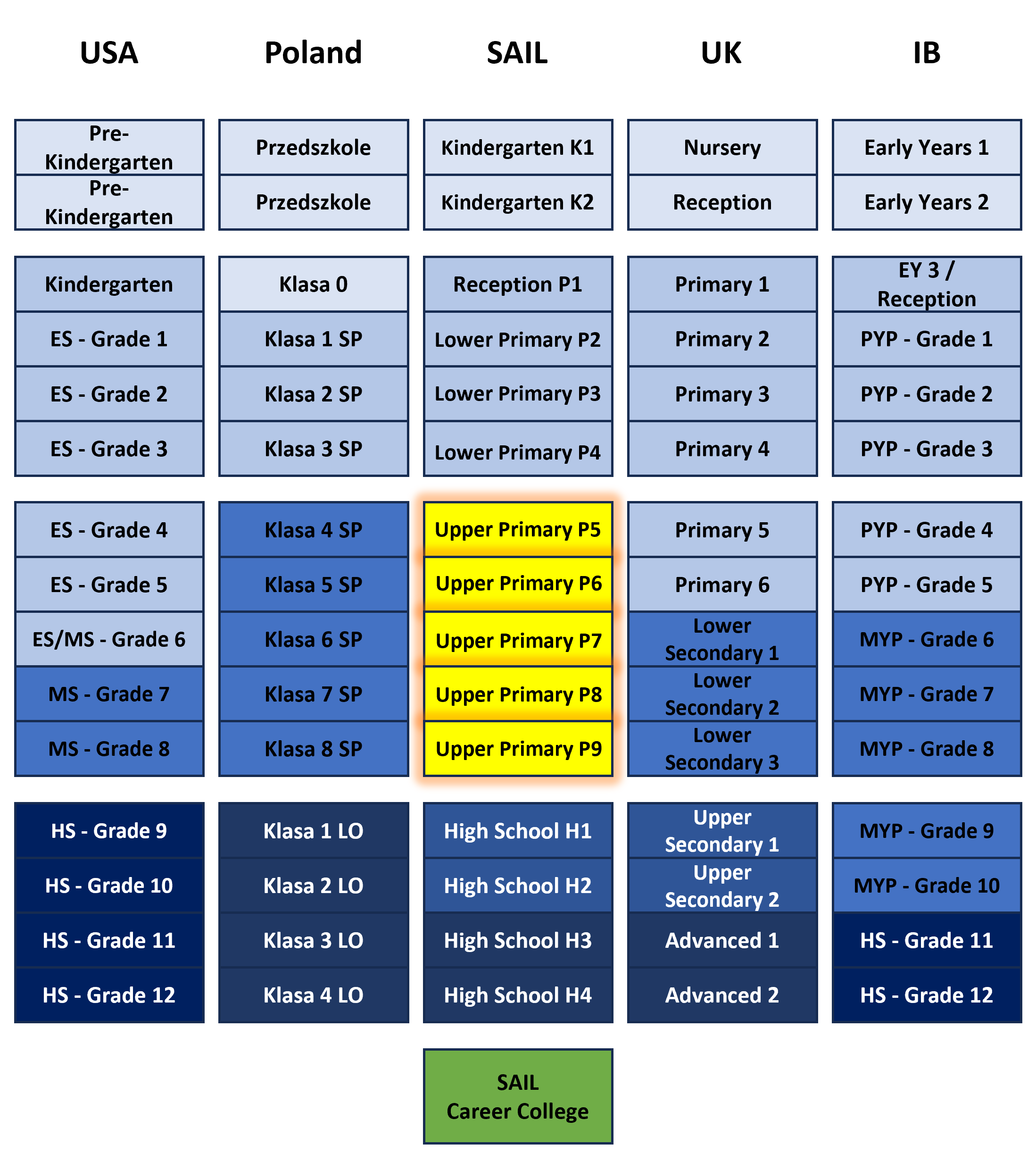
In Poland, primary school education is divided into two distinct stages. In the Lower Primary stage, most lessons are delivered through integrated learning by early education teachers.
In contrast, the Upper Primary stage is increasingly organized by individual subjects, each taught by specialized subject teachers. In some other school systems, this stage may be called “middle school,” while Cambridge refers to it as “Lower Secondary.”
For your orientation, please see the Learning Stages overview provided.
In our Upper Primary School Stage, learning usually takes place each day in three or four subject-based learning blocks. Additional language lessons and exam preparation may be offered beyond the core timetable. During project work or outings, the structure of the day may be adapted to support the learning process and the nature of the activity.
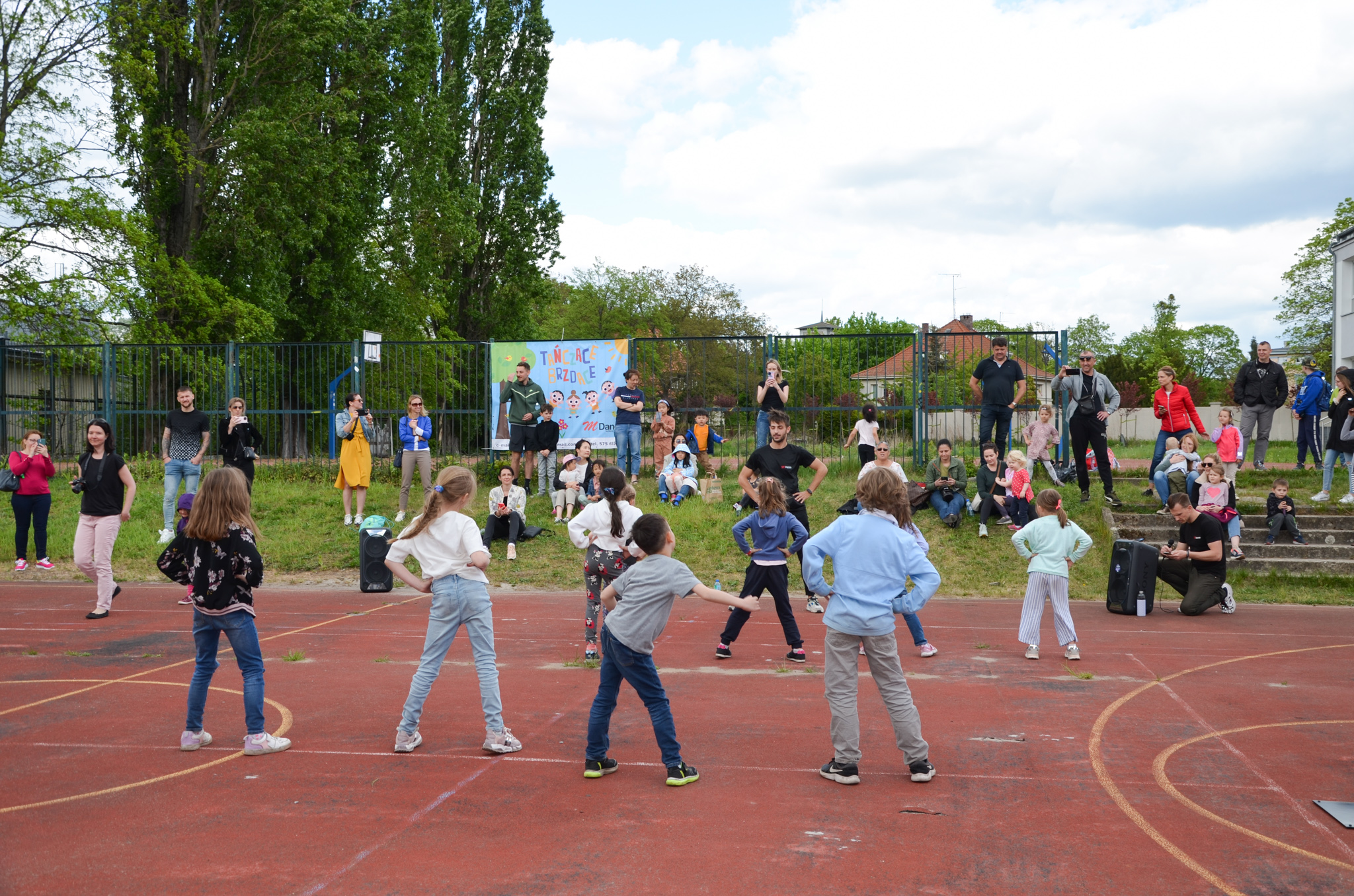
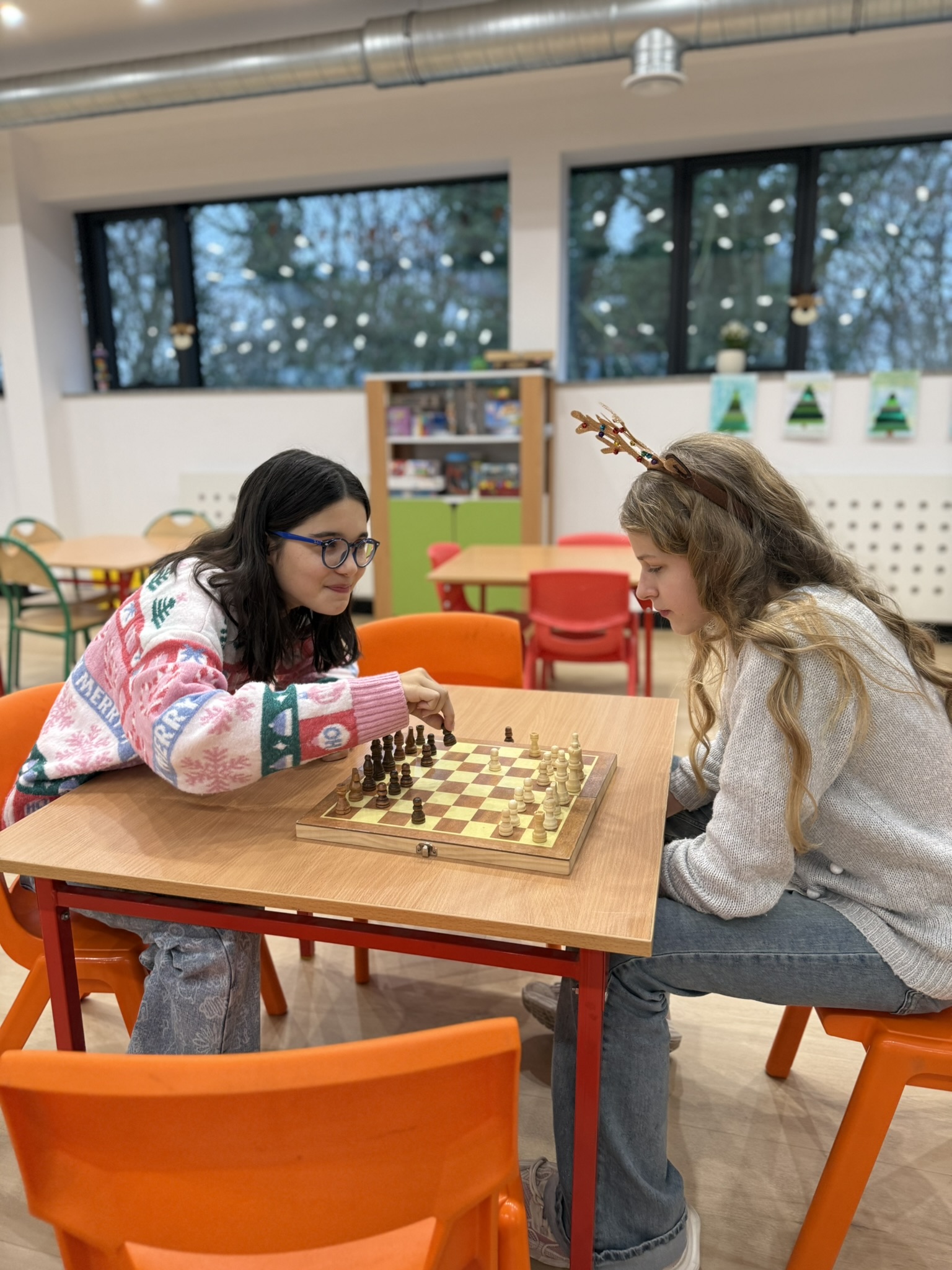
Beyond the core learning time, pupils may stay at school in the day care centre from 7:30 am until 5:00 pm. During this time, they can spend time with friends, enjoy supervised activities or take part in a variety of extracurricular clubs. The selection of clubs and activities is established at the beginning of each school year.
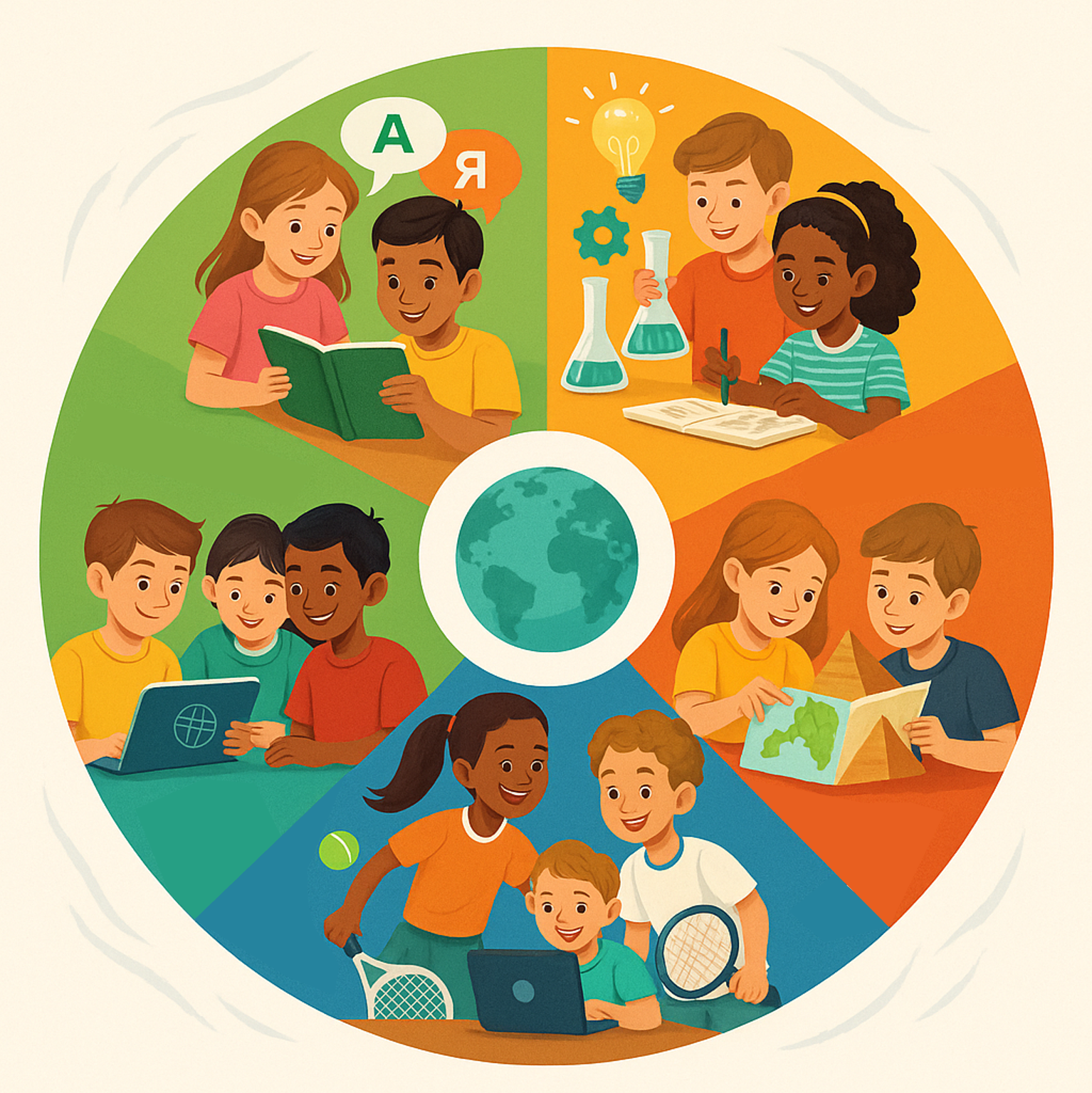
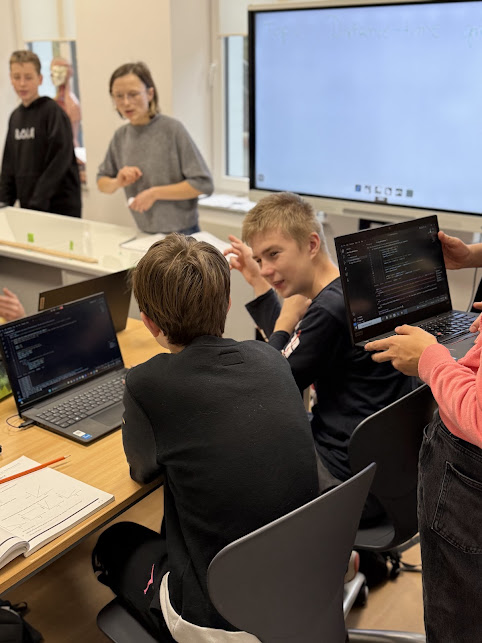
In Upper Primary, students begin inquiring into subjects with specialist teachers, diving deeper into STEAM, languages, humanities, and Physical and Health Education. Inquiry-based learning—embraced by leading international curricula such as Cambridge International Education and the International Baccalaureate—encourages children to ask questions, think critically, and connect ideas across disciplines.
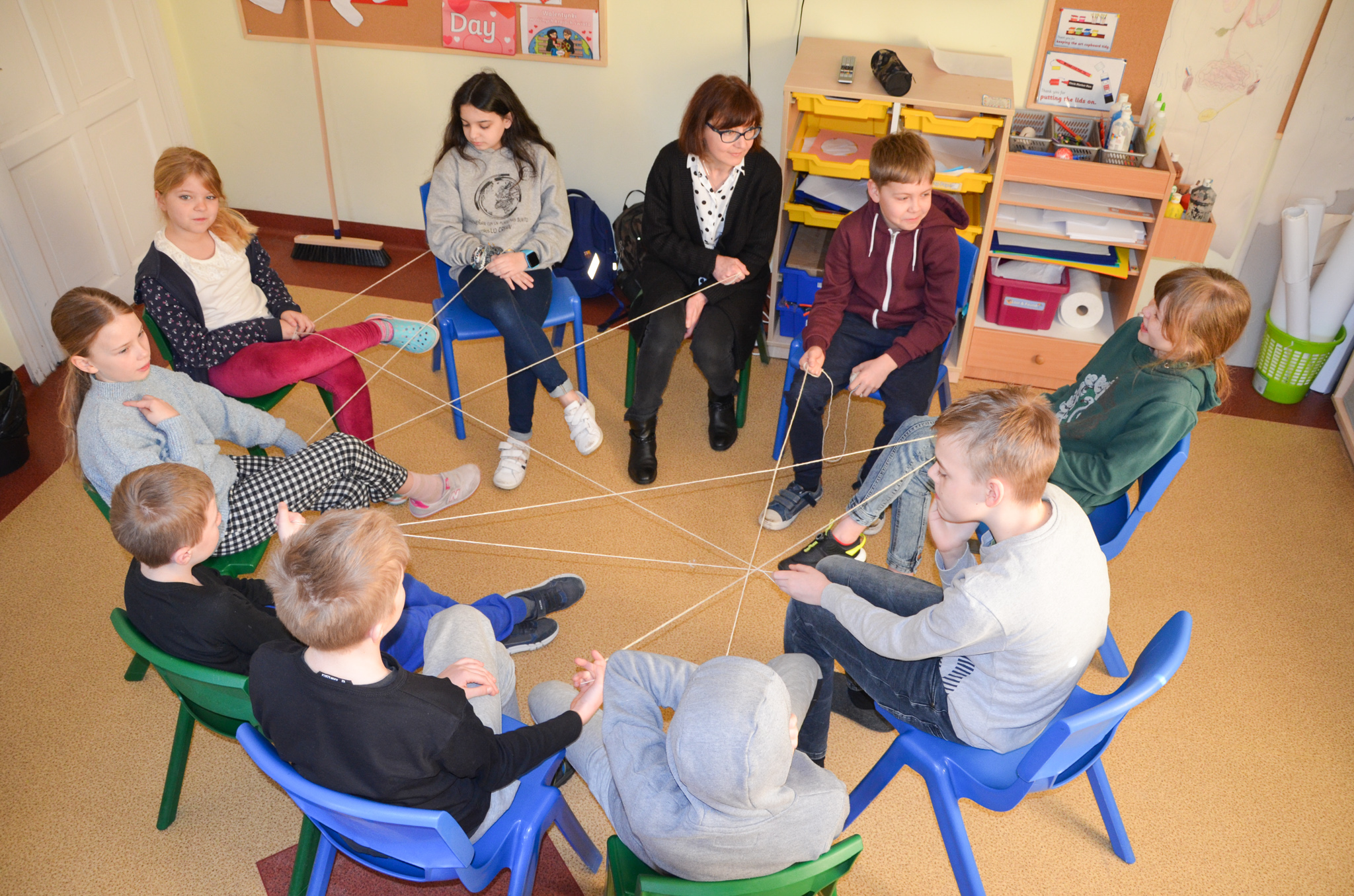
Reflecting this approach, the interdisciplinary subject Global Perspectives holds a central place at SAIL. In an interconnected world, open minds matter most. Through discussions and projects, learners explore real-world issues, appreciate different viewpoints, and learn to collaborate across cultures. With teachers from five continents, SAIL provides a truly global environment where curiosity, empathy, and understanding naturally grow.
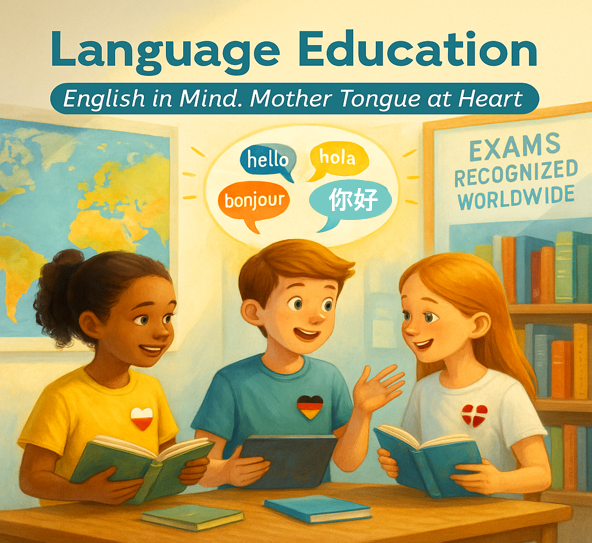
Communication connects our learners with the world. Through reading, writing, and speaking in English and other languages, children build confidence, cultural awareness, and the joy of expressing ideas clearly. After all, when you learn a new language, you learn a new way to think and feel.
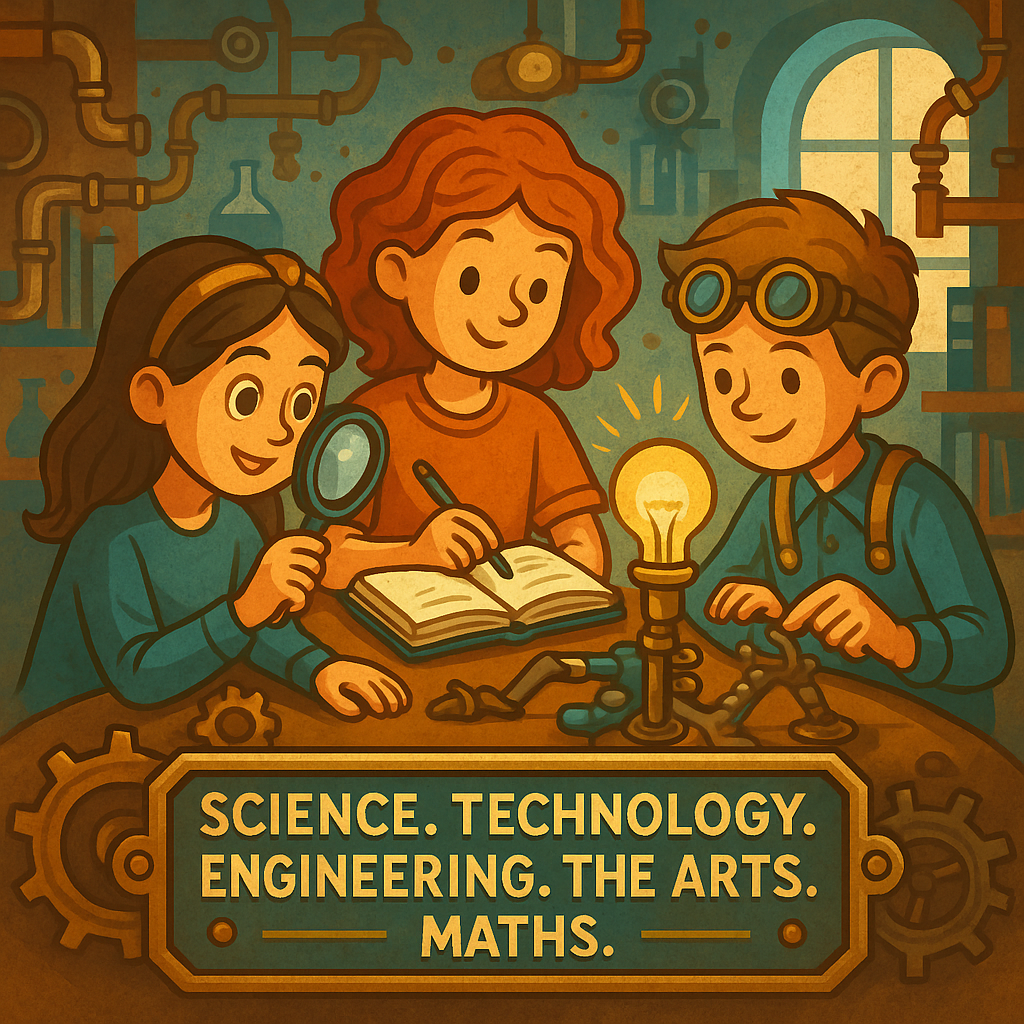
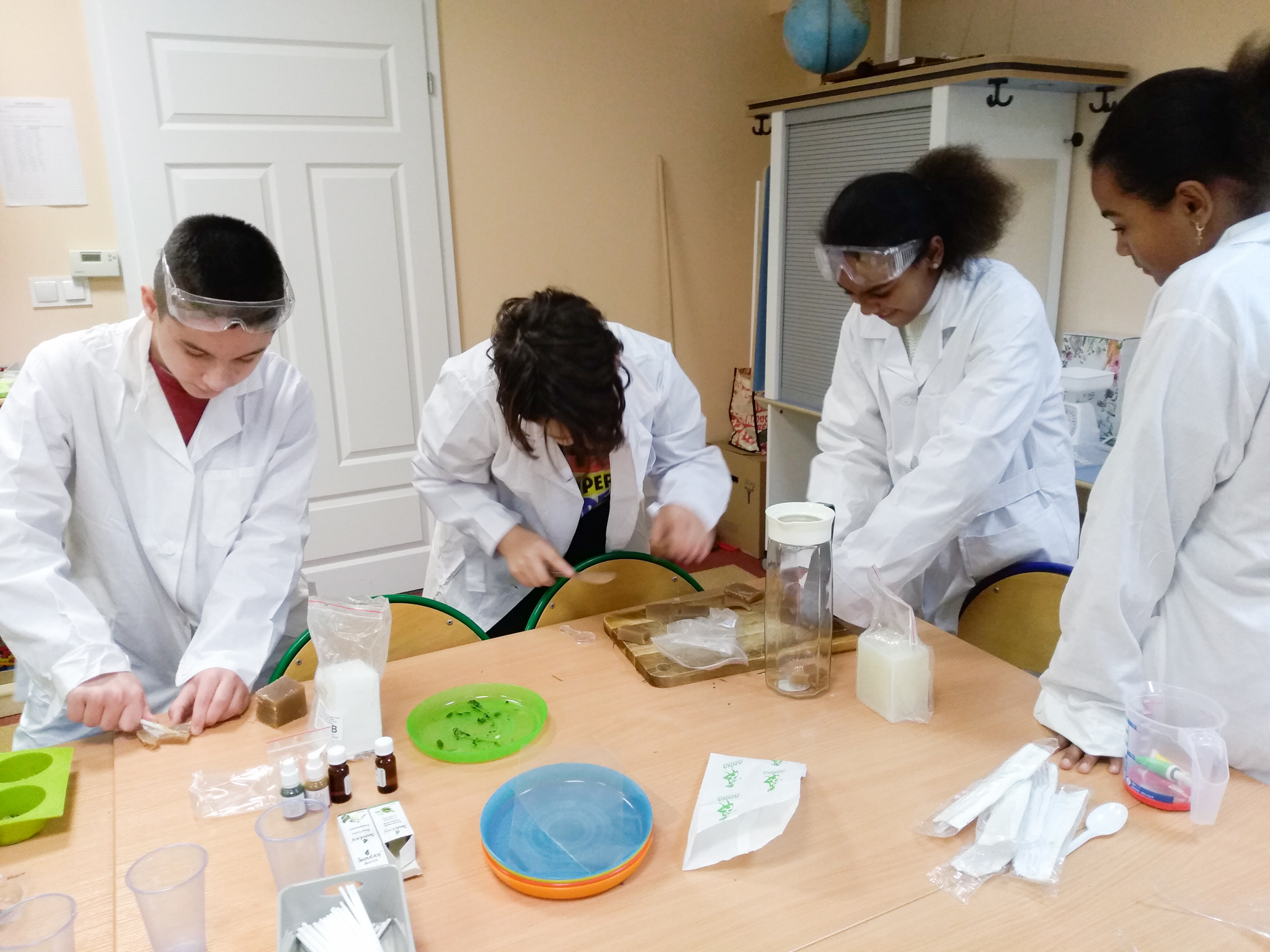
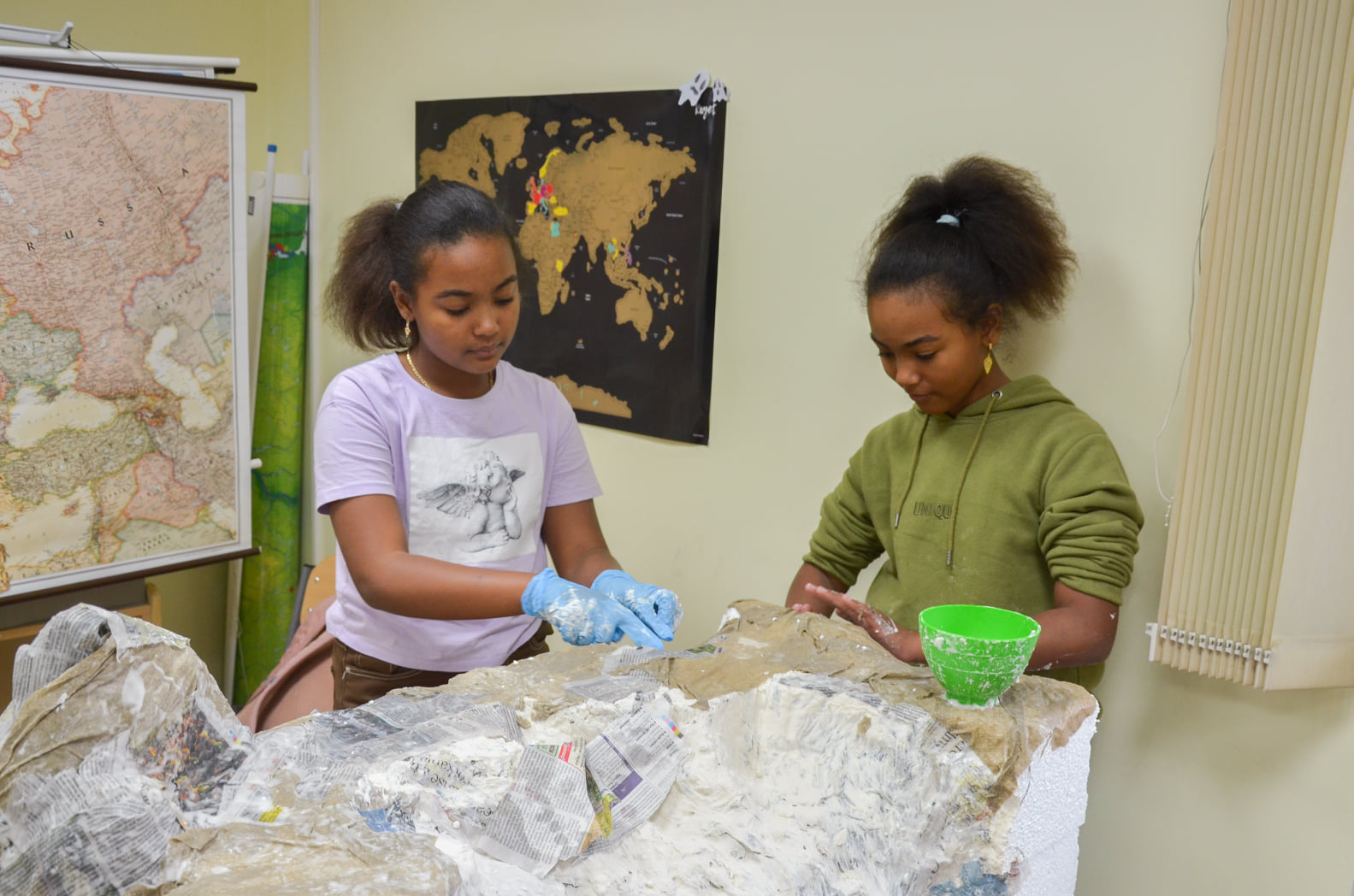
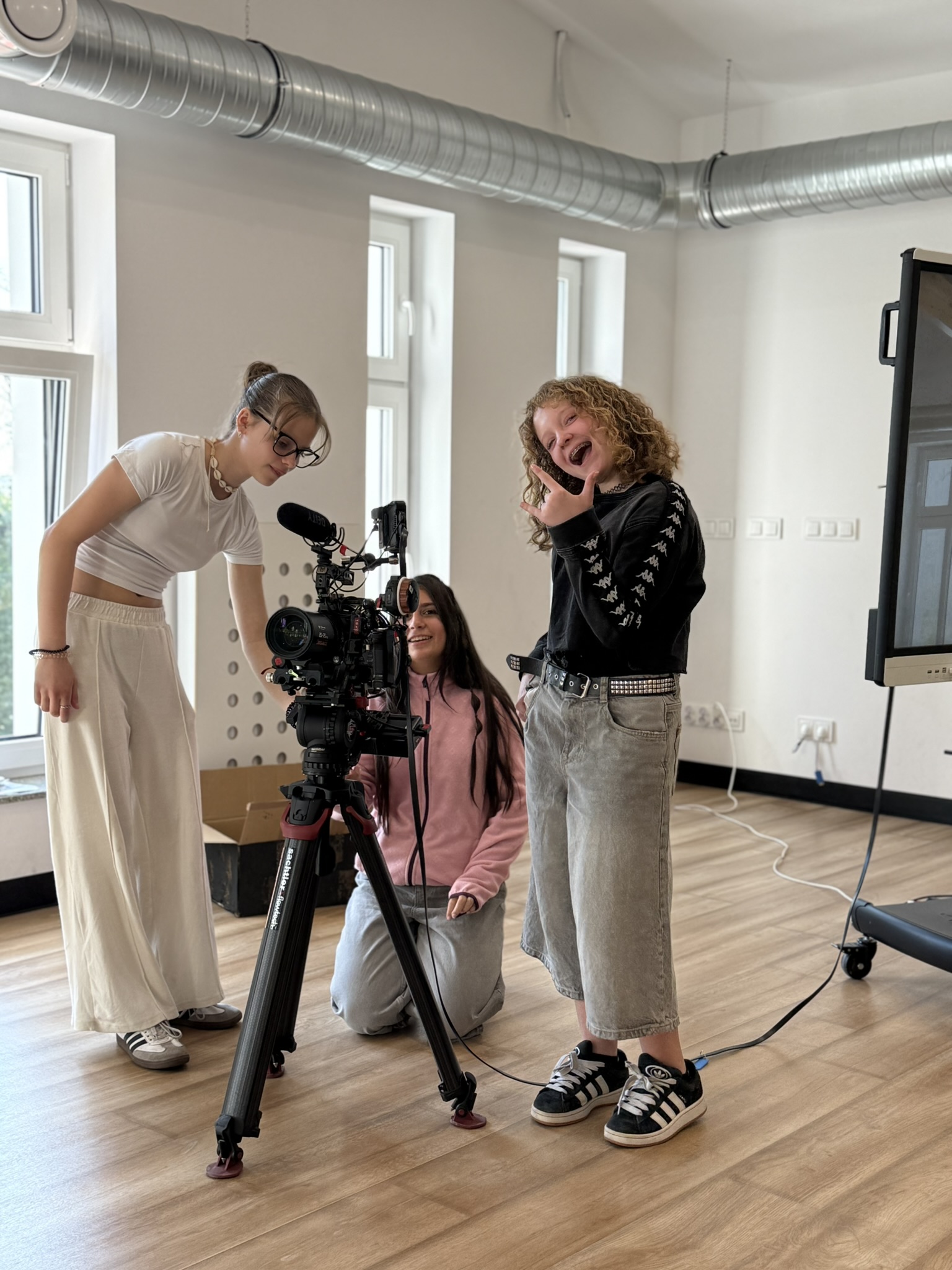
Curiosity and creativity drive discovery. Science, Technology, Engineering, Art, and Mathematics come together as students experiment, design, and innovate—turning ideas into real-life learning experiences.
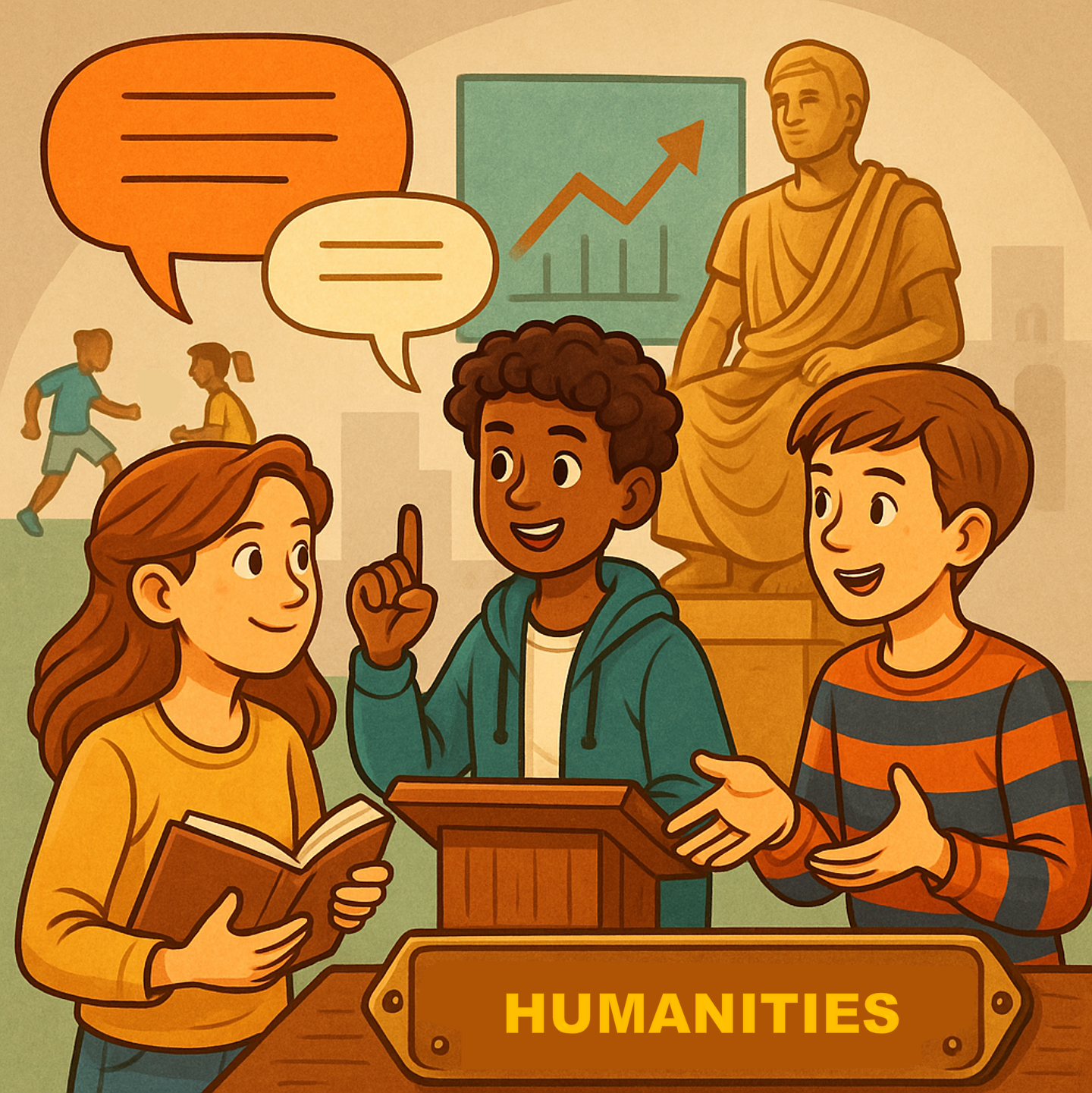
Understanding the past and present helps shape the future. Exploring history, geography, and social studies, our pupils develop empathy, critical thinking, and a sense of place in a global community.
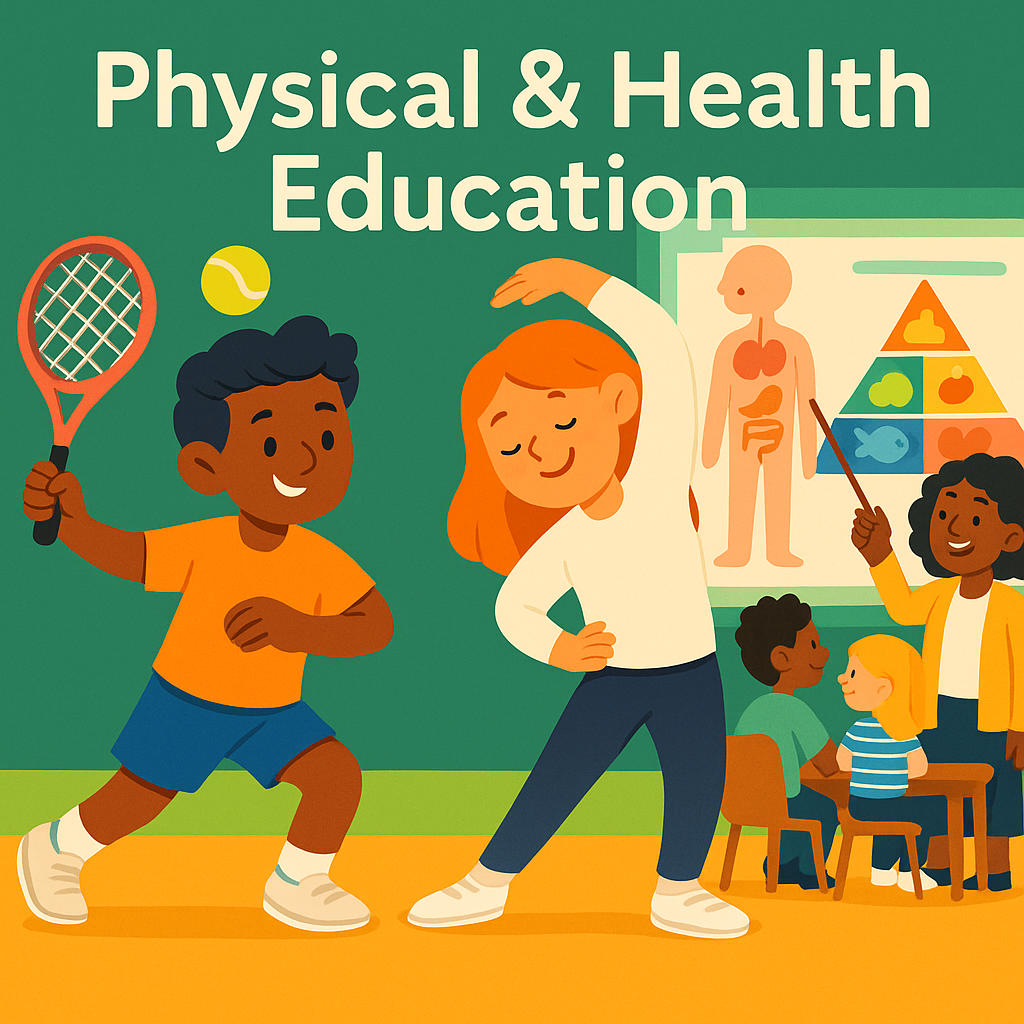
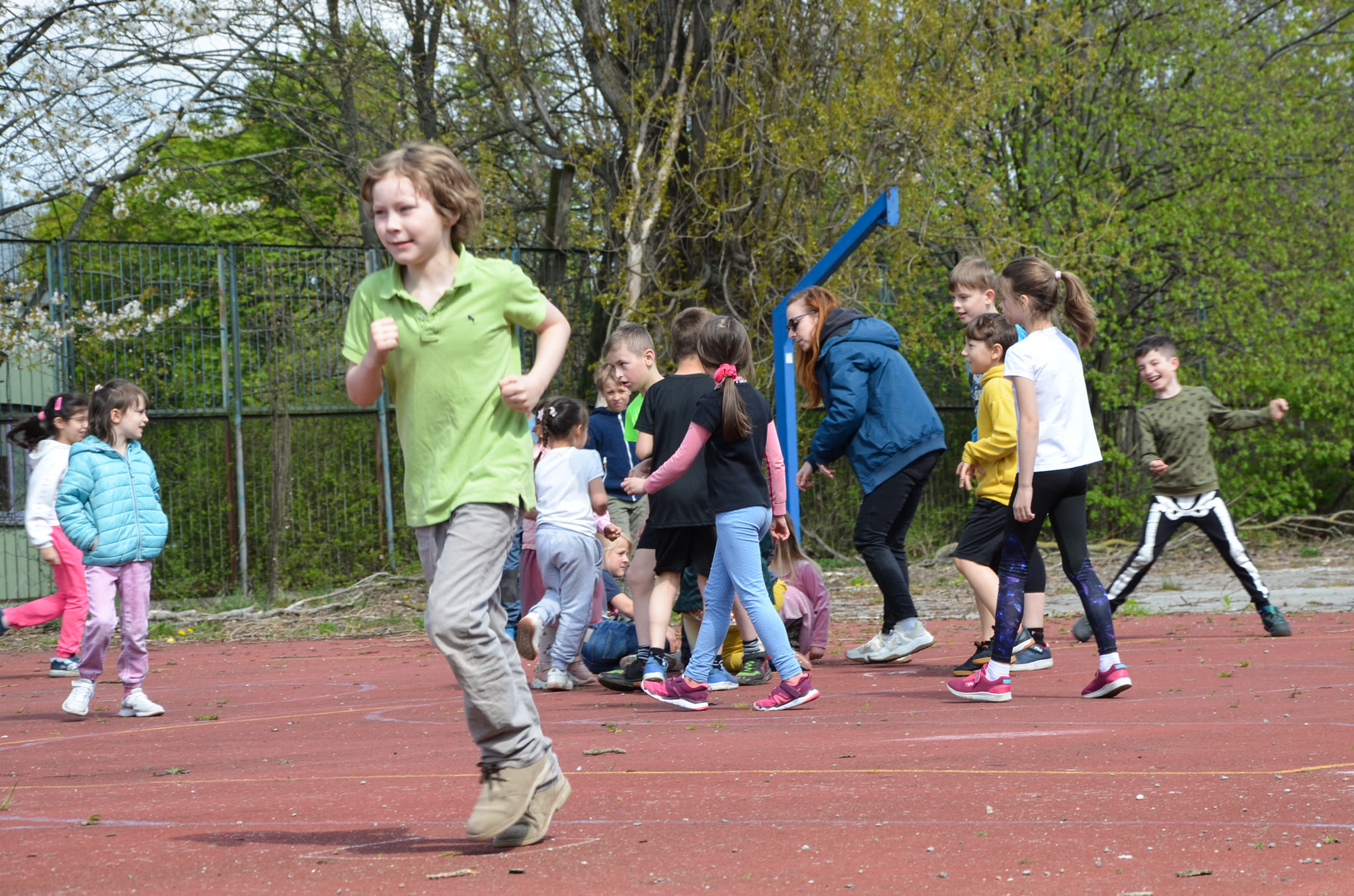
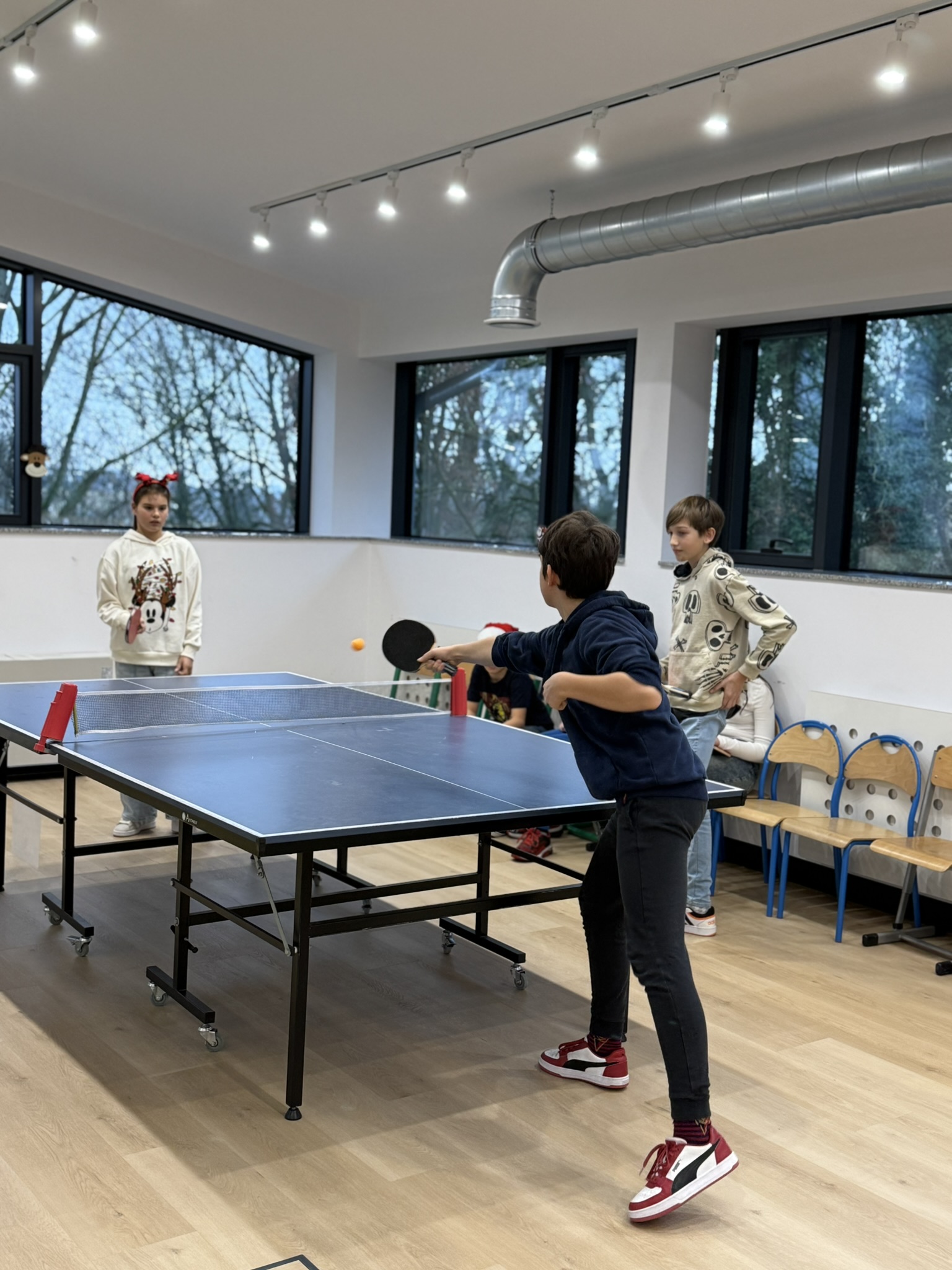
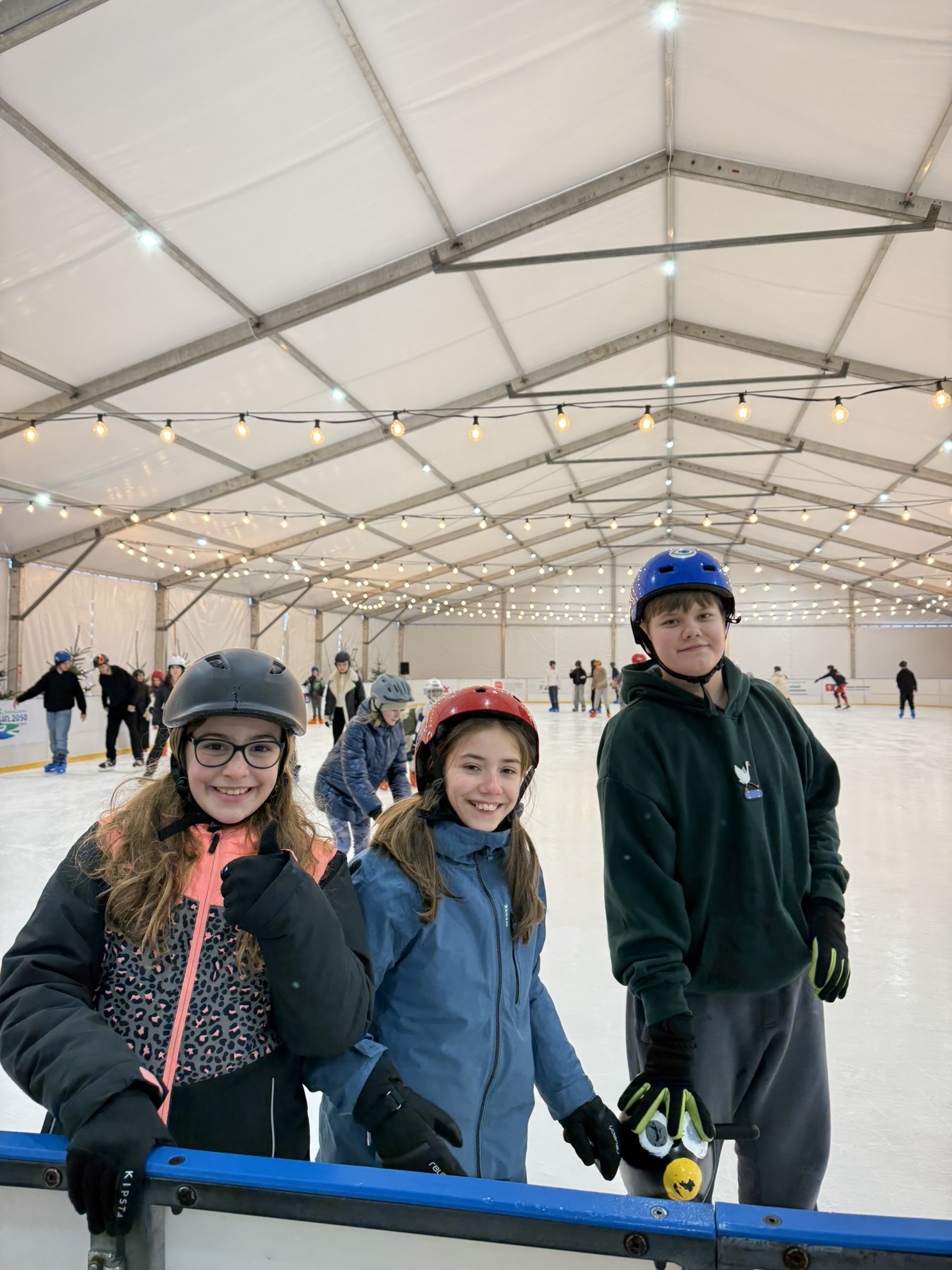
Healthy bodies support healthy minds. Through sports, movement, and teamwork, students learn discipline, resilience, and the simple joy of staying active together. Beginning in 2025, SAIL has also introduced Health Education as a regular elective subject, helping students understand the importance of physical well-being, balanced lifestyles, and emotional health from an early age.
At SAIL, assessment in Upper Primary follows the Polish 1–6 grading system, where 1 is the lowest and 6 the highest. Students receive individual grades for each subject, reflecting both achievement and ongoing effort. A variety of fair and balanced assessment methods are used — including tests, homework, projects, oral participation, and classroom activity. At the beginning of each school year, the form teacher explains the evaluation methods and the weighting of different types of grades to ensure full clarity for parents and students.
At the end of each semester, families receive a detailed semester report with teacher comments for every subject, providing a comprehensive view of each child’s progress. The Upper Primary stage concludes with the national Egzamin ósmoklasisty (Grade 8 exam), which is primarily relevant for Polish-speaking pupils wishing to continue within the Polish education system. Progression to SAIL High School is independent of this exam.

In addition to the Polish grading system, SAIL pupils have the option to participate in the Cambridge Checkpoint Assessments, which provide an international benchmark for academic progress. Each learner receives a detailed Cambridge Checkpoint Report, offering clear insight into individual strengths and areas for further development. The Learner Report Card includes:
- The overall Checkpoint score for each subject
- Marks achieved for specific strands and skills
- A Statement of Achievement, summarizing subjects taken and scores earned
These internationally recognized reports help families understand their child’s progress within the global Cambridge learning framework and provide valuable preparation for future stages such as the IGCSE programme.
At SAIL, we believe that education extends beyond academics — shaping each student’s personal, moral, social, and cultural growth. The Behaviour Grading System applies from P5 through H4 and supports these values through a fair and transparent points-based system. Students earn or lose points for their actions and engagement, as outlined in the school’s Internal Grading Policy.
Behaviour grades are reviewed at the end of each semester alongside academic evaluations. The form teacher assigns the final grade based on the total points and in consultation with the teacher council, ensuring that every assessment is balanced and consistent.
Behaviour grades are included in the semester classification and appear on each student’s semester report, reflecting their overall contribution to the school community.